What Are Load Ratings?
June 18, 2021
If you carry a lot of weight with your truck as an outdoorsman, stop. You won't want to miss today's topic: tire load index. The last thing you want when pulling your camper or boat is to be betrayed by your tires. What is a tire load index, and why are they important to be aware of?
Table of Contents
2. How Do I Know Which Tire Index To Get?

What is Tire Load Index?
Your tire's load index is a value used to explain load carrying capabilities. The higher the tire's load index number is, the greater capacity your tires were designed to handle. Depending on what type you've got, the original tires on your truck probably have load indexes ranging from 70 to 126. However, there are tons of aftermarket tire options to choose from to accommodate heavy loads. As an outdoorsman, it's always better to be aware of your tire load index so that you don't over-stress your truck and get a flat. You can usually find the index number on the sidewall of your tire. To find your total carrying capacity for your truck, multiple the load index by four because you have four tires.
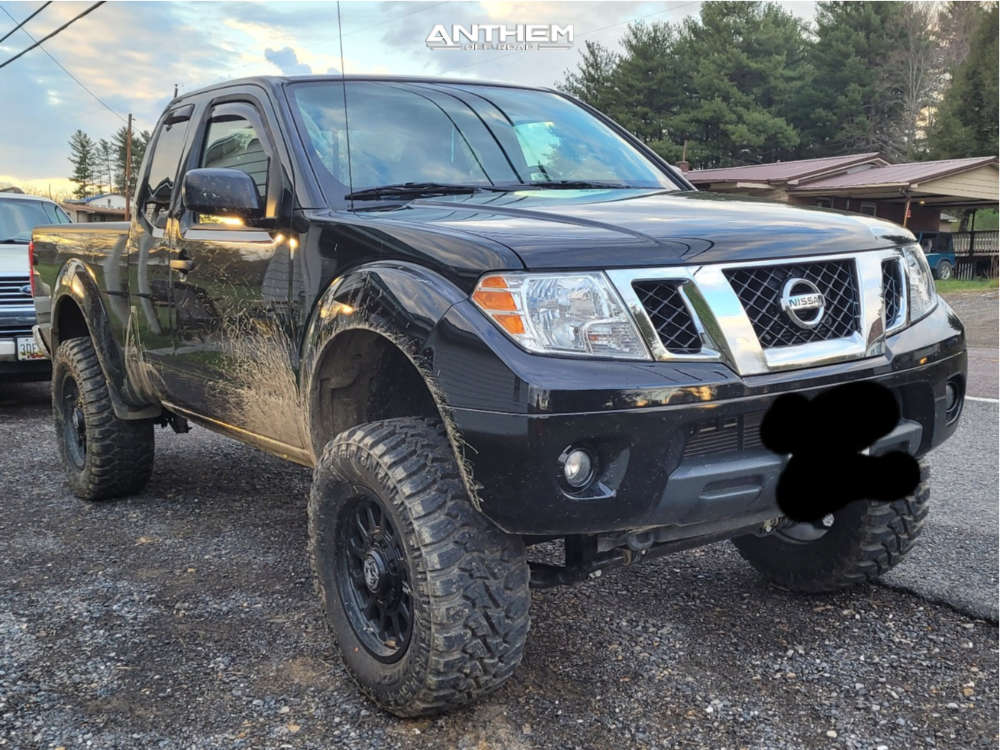
Factors like inflation pressure, construction, application, and size can all play a role in determining what your tires can handle. Also, be aware that the load index given on your tires is assuming that they're at their recommended tire pressure. Also, it's important to remember that the number assigned to communicate load index is not the number of pounds of capacity it can carry. For example, a load index of 1 means that a tire can carry up to 102 pounds, and a load index of 150 can carry up to 7,385.
How Do I Know Which Tire Index to Get?
If you're not sure what the right tire index you need for your truck is, start off by finding the total weight of your truck and everything you're carrying. Don't forget to factor in the weight of your tools, gear, spare parts, ice shack, or whatever you've got piled on your truck. If you're not sure, truck stops or even agricultural co-op companies will have a drive-on scale to get your total weight.

Once you figure out what you need to accommodate, you'll be able to do the math to figure out if the load index of all four of your tires can get the job done. Blowing a tire out due to improper load indexes of tires is worse case scenario. However, there's a good chance it could lead to you scrolling for tires often because of the premature tread wear it can cause.

If you get your truck with OEM tires on it, be sure to check out what that number is as a reference, as it's often close to the minimum suggested load index. You won't want to get new tires that have a lower load index than what the OEM tires had.

Important Tip
Remember above, we mentioned that load indexes are designed to tell carrying capacity with fully-air tires. You may not always plan on running the maximum amount of air pressure in your tires, which is fine. Therefore, at lower tire pressures, the tire will not have the same max-load-weight rating, so just make sure and keep that in mind when searching for the truck tire for your particular application. You might want to get tires with a higher index than needed to allow for a little extra room to play around with.

Where Should I Buy Tires?
Since we know how important it is to have tires that you can have confidence in, we've designed one-click wheel and tire packages designed to save you money on your new Anthem wheels and a set of tires. Plus, we can have them to your door in as little as 7 days with free mounting, balancing, and shipping. We know that life and activities can't just stop when purchasing some upgrades for your truck, so our partnership with Affirm makes it so you can make low monthly payments on your wheel and tire package instead of shelling out all your cash at once.


